







If you have never had a boiler installation in the New Forest done before, it is completely normal to wonder what actually happens on the day. Most homeowners only replace a boiler once or twice in a decade, so it is not something you get used to. The good news is that, with the right preparation and a proper engineer, it is usually far more straightforward than people expect.
Whether you are in Verwood, Fordingbridge or Ferndown, the overall process is much the same. Here is a clear walk-through of what to expect, how to prepare and what should happen once your new boiler is up and running.
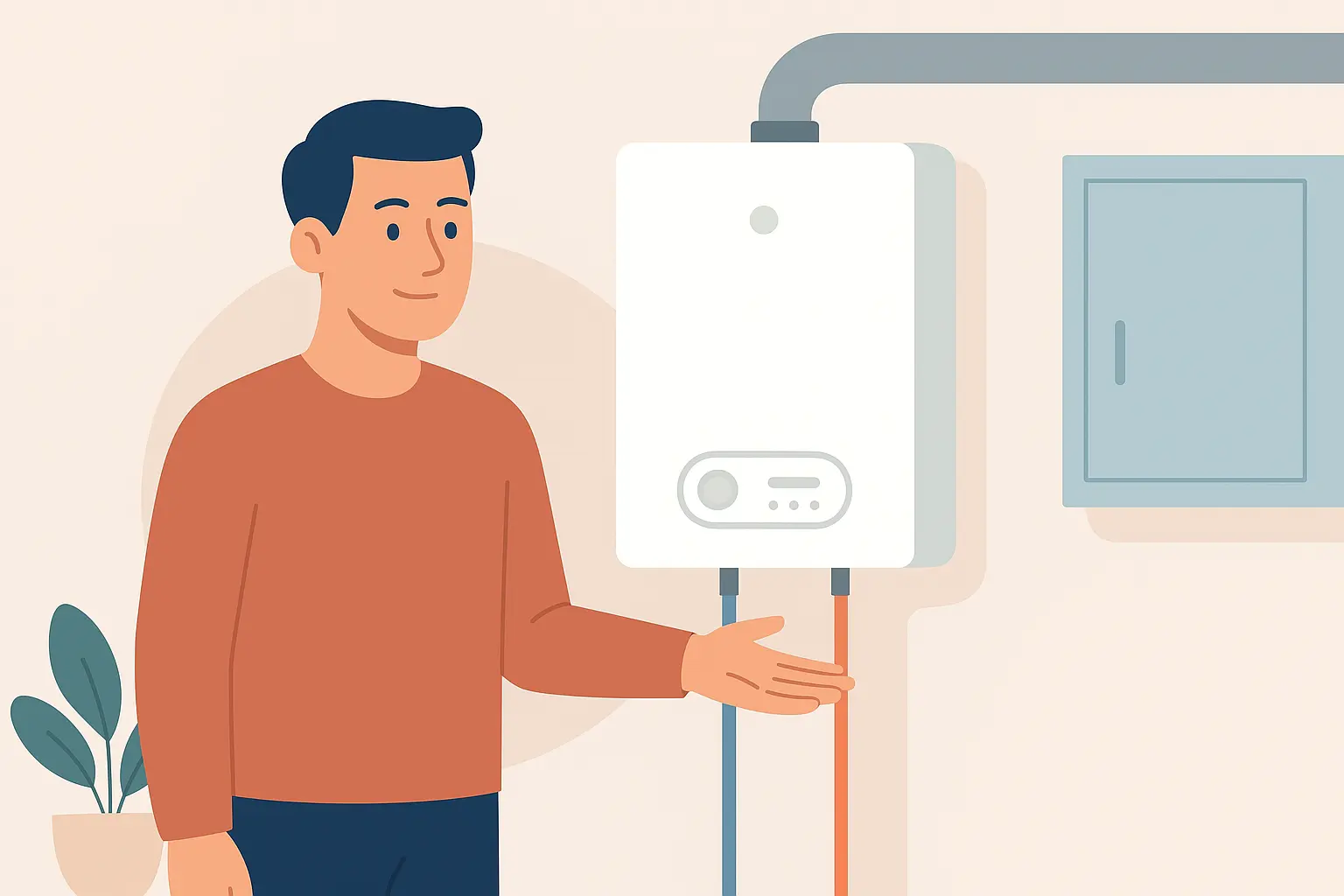
Introduction: What to Expect From a New Boiler Fitting
Most boiler replacements are completed in a single day, especially if you are swapping like for like. That means replacing a combi with a new combi in roughly the same location. If you are changing system type, moving the boiler upstairs or converting from a regular boiler to a combi, it may take longer.
One of the most common questions I hear is, “Will we be without heating and hot water for long?” In most cases, you will only be without both during the working day. By late afternoon or early evening, everything should be back up and running, tested and explained to you properly.
A professional installation is not just about hanging a new boiler on the wall. It is about making sure the whole system runs safely, efficiently and reliably for years.
Pre-Installation Checks and Preparation
Before any tools come out, there should have been a proper survey. This is where the engineer checks the size of your property, number of radiators, water pressure and gas supply. Fitting a boiler that is too small or too powerful can cause long-term problems.
At this stage, we also look at:
- The condition of your existing pipework
- Whether the flue position complies with current regulations
- If the electrics and fused spur are suitable
- The location of the condensate pipe
In some homes around older parts of Christchurch for example, we often find older pipework that may need upgrading. In newer estates in Christchurch space can be tight in utility cupboards, which affects how we position the new unit.
Before installation day, you can help by clearing access around the boiler, emptying the airing cupboard if you have a regular system and moving anything stored underneath a kitchen unit where the boiler sits. Engineers will use dust sheets, but giving clear working space makes the job smoother and quicker.
Step-by-Step: How a New Boiler Is Installed
On the day, the first job is isolating the gas, water and electrics. The old boiler is then drained and removed safely. Depending on its age, this can take a bit of careful dismantling.
Once the old unit is out, we prepare the wall and pipework for the new boiler. This might involve adjusting pipe positions, fitting new mounting brackets or upgrading the flue. Current regulations are stricter than they were 15 or 20 years ago, so flue alignment and clearances are checked carefully.
The new boiler is then mounted and connected to:
- The central heating flow and return pipes
- The mains water supply
- The gas supply
- The condensate drain
- The electrical supply and controls
Modern systems almost always include a magnetic filter. This helps protect the boiler from sludge and debris that can build up inside radiators over time. If the system is older, we may carry out a chemical flush to clean it through before running the new boiler properly.
If you are having the boiler relocated, such as moving it from a kitchen to a loft in Verwood, extra pipework and flue extensions can add time. It is more involved but sometimes makes better use of space.
System Testing, Handover, and Aftercare Tips
Once everything is connected, the system is filled and pressurised. We then check for leaks, test the gas pressure and analyse combustion to make sure the boiler is burning correctly and safely. This is not guesswork. We use calibrated equipment to confirm it is within manufacturer specifications.
The heating is brought up to temperature and each radiator is checked. Sometimes a small air pocket appears and needs bleeding. Controls such as your room thermostat and timer are set up and explained clearly. I always recommend customers take a couple of minutes to adjust it themselves while I am there, so they are confident using it.
Before leaving, the installer should:
- Register the boiler with the manufacturer for warranty
- Notify Gas Safe for Building Regulations compliance
- Complete the Benchmark commissioning checklist
- Explain basic maintenance and pressure top-up
A good handover makes a big difference. You should know how to repressurise the system if required, how to adjust heating times and what warning signs to look out for. Ongoing annual servicing keeps the warranty valid and helps prevent breakdowns. If you are unsure what servicing involves, it is worth understanding how regular maintenance and repairs work in practice.
For homeowners in places like Christchurch, New Milton and Ringwood, having a properly fitted and commissioned boiler means better efficiency, lower running costs and fewer winter call-outs when temperatures drop close to freezing.
In short, a new boiler fitting is a structured and carefully regulated process, not just a simple swap. With the right preparation and a qualified engineer, it should feel organised and reassuring rather than disruptive. If you would like straightforward advice from experienced installers at Jet Professional Plumbing & Heating Ltd, or you are thinking about your next steps, get in touch today to have a chat about your options.